
Get Building Tuckpointing in Scranton, PA
Building tuckpointing services offered by local contractors in Scranton, PA, help repair and restore brickwork by fixing cracked or deteriorated mortar joints to prevent damage and improve appearance.
Building tuckpointing is an essential service for property owners in Scranton, PA who want to maintain the structural integrity and appearance of their brickwork. Whether you're planning a restoration project or simply looking to preserve the value of your building, understanding the options available locally can help ensure you choose the right approach. Exploring the work of nearby contractors allows you to compare expertise and services, making it easier to find professionals who meet your specific needs.
If you're considering tuckpointing for your property, it's important to find experienced service providers familiar with the unique conditions of Scranton’s architecture. Connecting with reputable local contractors can provide valuable insights into the best practices for your project. Keep reading to discover how to identify qualified professionals who can help protect and enhance your property’s brickwork.
- Historic brick buildings - Tuckpointing may be needed to restore the appearance and structural integrity of historic brick facades in neighborhoods like Downtown Scranton.
- Cracked or deteriorating mortar joints - When mortar between bricks begins to crumble or crack, local contractors can reinforce and repair the masonry.
- Water intrusion issues - Tuckpointing helps prevent water leaks and damage in buildings where mortar deterioration has created gaps.
- Fading or damaged exterior brickwork - Property owners seeking to improve curb appeal often turn to tuckpointing to refresh worn or discolored brick surfaces.
- Building renovation or restoration projects - During renovations in areas such as the Green Ridge neighborhood, professionals can handle tuckpointing to meet restoration needs.
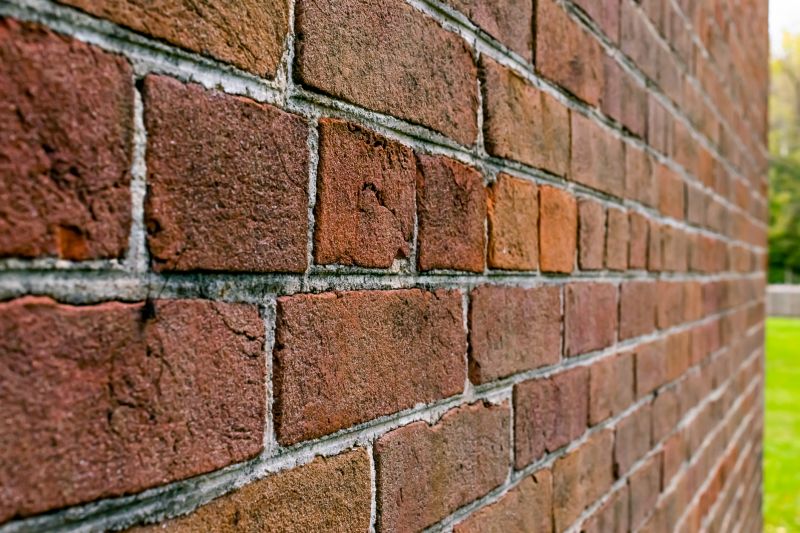
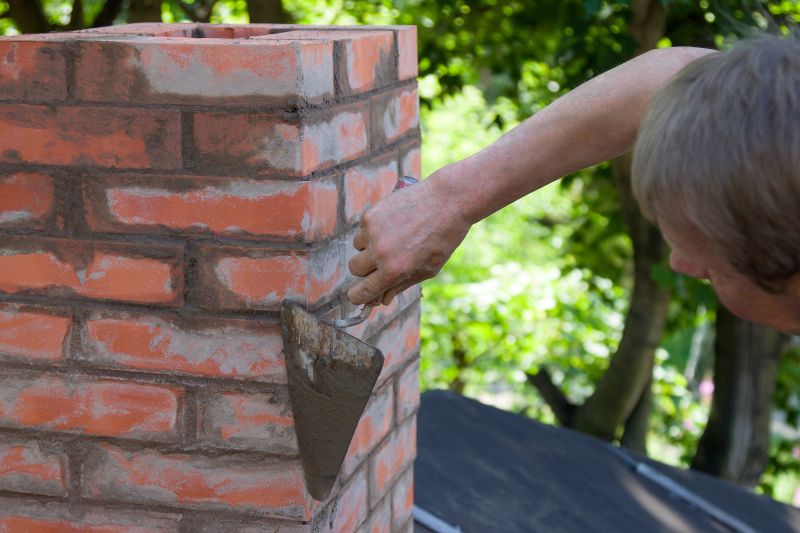
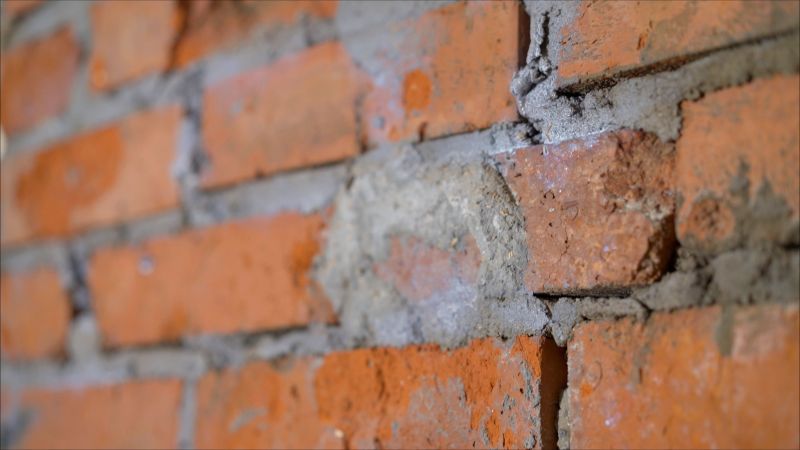
Building tuckpointing services involve the careful process of repairing and restoring the mortar joints between bricks or stones on a building’s exterior. This work typically includes removing damaged or deteriorated mortar and replacing it with fresh, durable material. The goal is to improve the structural integrity of the masonry while also enhancing the appearance of the building’s facade. Skilled service providers use specialized tools and techniques to ensure that the new mortar matches the existing in texture and color, resulting in a seamless and long-lasting repair.
Tuckpointing is especially helpful for addressing issues such as crumbling mortar, gaps, or cracks that can develop over time due to weather exposure and age. These problems can lead to water infiltration, which may cause further damage to the bricks or stones and compromise the stability of the structure. By restoring the mortar joints, tuckpointing helps prevent water from seeping into the building, reducing the risk of mold, interior damage, and more costly repairs down the line. It’s a practical solution for maintaining the safety and appearance of a property’s exterior.
This service is commonly used on a variety of properties, including historic buildings, residential homes, apartment complexes, and commercial structures. Older homes in Scranton and surrounding areas often benefit from tuckpointing as part of ongoing preservation efforts. Commercial properties, such as storefronts and office buildings, also rely on tuckpointing to keep their exteriors looking well-maintained and structurally sound. Whether a property is residential or commercial, professional tuckpointing can help extend the lifespan of the masonry and preserve its aesthetic appeal.
Homeowners and property managers might consider tuckpointing when noticing signs of mortar deterioration, such as crumbling joints, loose bricks, or water stains on interior walls. It’s also recommended when preparing a building for sale or renovation, as a well-maintained exterior can boost curb appeal and property value. If bricks or stones are beginning to show signs of aging or damage, contacting local contractors who specialize in tuckpointing can provide a reliable way to address these issues effectively. Properly executed tuckpointing not only repairs damage but also helps safeguard the structural integrity of the building for years to come.
The overview below groups typical Building Tuckpointing projects into broad ranges so you can see how smaller, mid-sized, and larger jobs often compare in Scranton, PA.
In many markets, a large share of routine jobs stays in the lower and middle ranges, while only a smaller percentage of projects moves into the highest bands when the work is more complex or site conditions are harder than average.
Smaller Repairs - Typical costs for minor tuckpointing projects range from $250 to $600. Many routine jobs involving small sections of brickwork fall within this range, depending on the size and condition of the area.
Moderate Projects - Larger, more involved tuckpointing jobs usually cost between $600 and $2,000. These projects often include restoring multiple sections or repairing damaged mortar across a larger area.
Full Wall Restoration - Complete tuckpointing of an entire wall or façade can range from $2,000 to $5,000 or more. Fewer projects reach this tier, typically involving extensive or historic masonry work.
Full Replacement - When mortar needs to be completely replaced or bricks are beyond repair, costs can exceed $5,000. Such projects are less common and involve significant labor and material costs, especially for larger structures.
Actual totals will depend on details like access to the work area, the scope of the project, and the materials selected, so use these as general starting points rather than exact figures.
Masonry Restoration - Masonry restoration involves repairing and restoring brick and stonework, utilizing skills similar to tuckpointing to improve structural integrity and appearance.
Brick Repair and Replacement - This project requires precise brickwork and mortar matching, closely related to tuckpointing techniques used to repair damaged or deteriorated brick surfaces.
Chimney Repointing - Repointing chimneys involves removing old mortar and applying new mortar, a process that shares tools and planning with building tuckpointing services.
Stonework Restoration - Restoring natural stone surfaces involves careful mortar work and surface preparation similar to tuckpointing on brick facades.
Facade Cleaning and Sealing - Cleaning and sealing building exteriors often precedes tuckpointing, requiring similar surface preparation and attention to detail.
Foundation Wall Repair - Repairing and reinforcing foundation walls involves masonry skills and mortar work comparable to building tuckpointing projects.
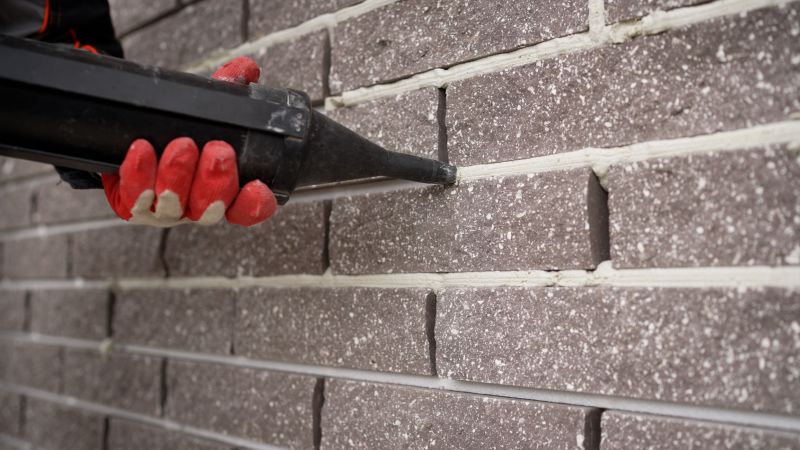
When comparing contractors for tuckpointing services, it’s important to consider their experience with similar projects. Homeowners should look for service providers who have a track record of working on buildings with comparable brickwork or masonry styles. An experienced contractor is more likely to understand the nuances of matching mortar colors, textures, and techniques, which can help ensure the finished work blends seamlessly with the existing structure. Asking for examples of past projects or references related to tuckpointing can provide insight into their familiarity with the specific demands of this type of work.
Clear, written expectations are essential when choosing a masonry contractor. Homeowners should seek detailed estimates that outline the scope of work, materials to be used, and the steps involved in the project. Having this information in writing helps prevent misunderstandings and ensures that both parties share an understanding of the work to be completed. Service providers who communicate openly and provide comprehensive written descriptions demonstrate professionalism and a commitment to transparency, making it easier for homeowners to compare options confidently.
Reputable references and effective communication are key factors in selecting a reliable local contractor. Homeowners can ask service providers for contact information of past clients or look for reviews that highlight their ability to deliver quality results and maintain a professional relationship throughout the project. Good communication also involves responsiveness to questions and clarity in explaining the process. Choosing local pros who prioritize clear dialogue and have positive references can lead to a smoother experience and a successful tuckpointing project that meets expectations.
Property owners in Scranton, PA use Building Tuckpointing services for practical projects around their homes and businesses. This guide focuses on everyday jobs and straightforward project options.
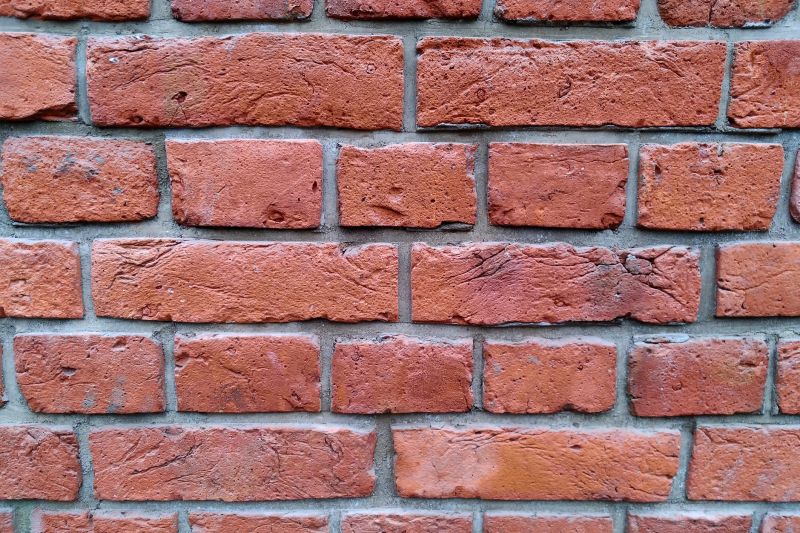
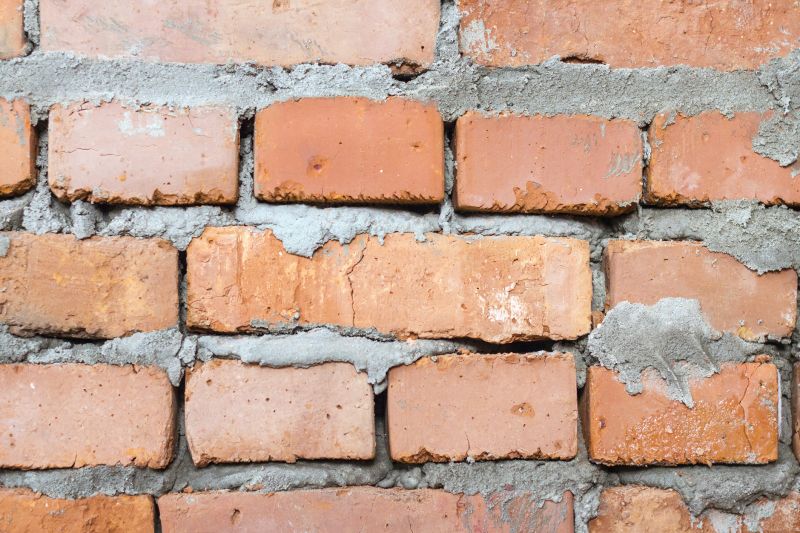
Building tuckpointing services are commonly sought after by property owners in Scranton, PA, when they notice cracks or deterioration in brickwork or mortar joints. Over time, exposure to the elements can cause mortar to weaken or crumble, leading to potential structural concerns or aesthetic issues. Homeowners and business owners might look for local contractors to restore the integrity of their walls, prevent further damage, and maintain the appearance of their buildings.
Additionally, property owners may consider tuckpointing when preparing a property for sale or renovation, aiming to improve curb appeal and overall value. In older neighborhoods or historic districts around Scranton, maintaining original brickwork with professional tuckpointing can be essential for preserving the character of a building. Local service providers can assist with these projects, ensuring that repairs blend seamlessly with existing masonry and help extend the lifespan of the structure.
What is tuckpointing? Tuckpointing is a masonry technique that involves repairing and restoring the mortar joints between bricks or stones to improve the appearance and structural integrity of a building.
Why should I consider tuckpointing for my property? Tuckpointing can help prevent water intrusion, reduce damage from weather, and maintain the aesthetic appeal of brick or stone walls.
How do local contractors determine if tuckpointing is needed? They assess the condition of mortar joints for cracks, deterioration, or missing mortar to decide if tuckpointing services are appropriate.
What types of buildings typically require tuckpointing? Tuckpointing is commonly needed for historic homes, commercial buildings, and any structures with brick or stone exteriors showing signs of mortar deterioration.
Can tuckpointing be combined with other masonry repairs? Yes, local service providers often perform tuckpointing alongside other masonry restoration work to ensure the overall stability and appearance of the structure.
Repairing Crumbling Mortar Joints - Property owners can restore the integrity of brick and stone walls by fixing deteriorated mortar joints to prevent further damage.
Restoring Exterior Masonry Appearance - Tuckpointing services can refresh the look of a building’s façade, enhancing curb appeal and maintaining property value.
Sealing Gaps in Chimneys and Fireplaces - Proper tuckpointing around chimneys helps prevent drafts and water intrusion, supporting safe and efficient operation.
Maintaining Structural Stability - Regular tuckpointing can help preserve the stability of load-bearing walls and prevent costly repairs down the line.
If you are thinking about Building Tuckpointing for a property in Scranton, PA, this guide is meant to help you understand the work, the typical project types, and how different options might fit your plans.
When you are ready, you can use the quote form on this page to share a few details about your project. From there, local pros can review the basics and respond with options that match what you have in mind.